Products


AI Platform


Asana Foundations
Company Type
No articles found for this topic.
No articles found for this topic.

Visit our pricing page for more information.
A RACI matrix fosters accountability and clarifies project roles so you know who is doing what and by when. In this article, we will explore how to apply a RACI matrix within Asana to manage projects successfully.
The RACI matrix is a decision-making framework that assigns roles and responsibilities to team members and is made up of four key roles:
By establishing these roles upfront, teams can enhance collaboration, eliminate confusion, and ensure efficient task execution.
To get started, navigate to the project in Asana, where you would like to apply a RACI matrix. The project must have clearly defined tasks with specific deliverables.
Create three people custom fields for the Accountable, Consulted, and Informed roles. We’ll be using the Assignee field for the Responsible role. Once the project structure is set up, it's time to assign team members to the respective tasks.
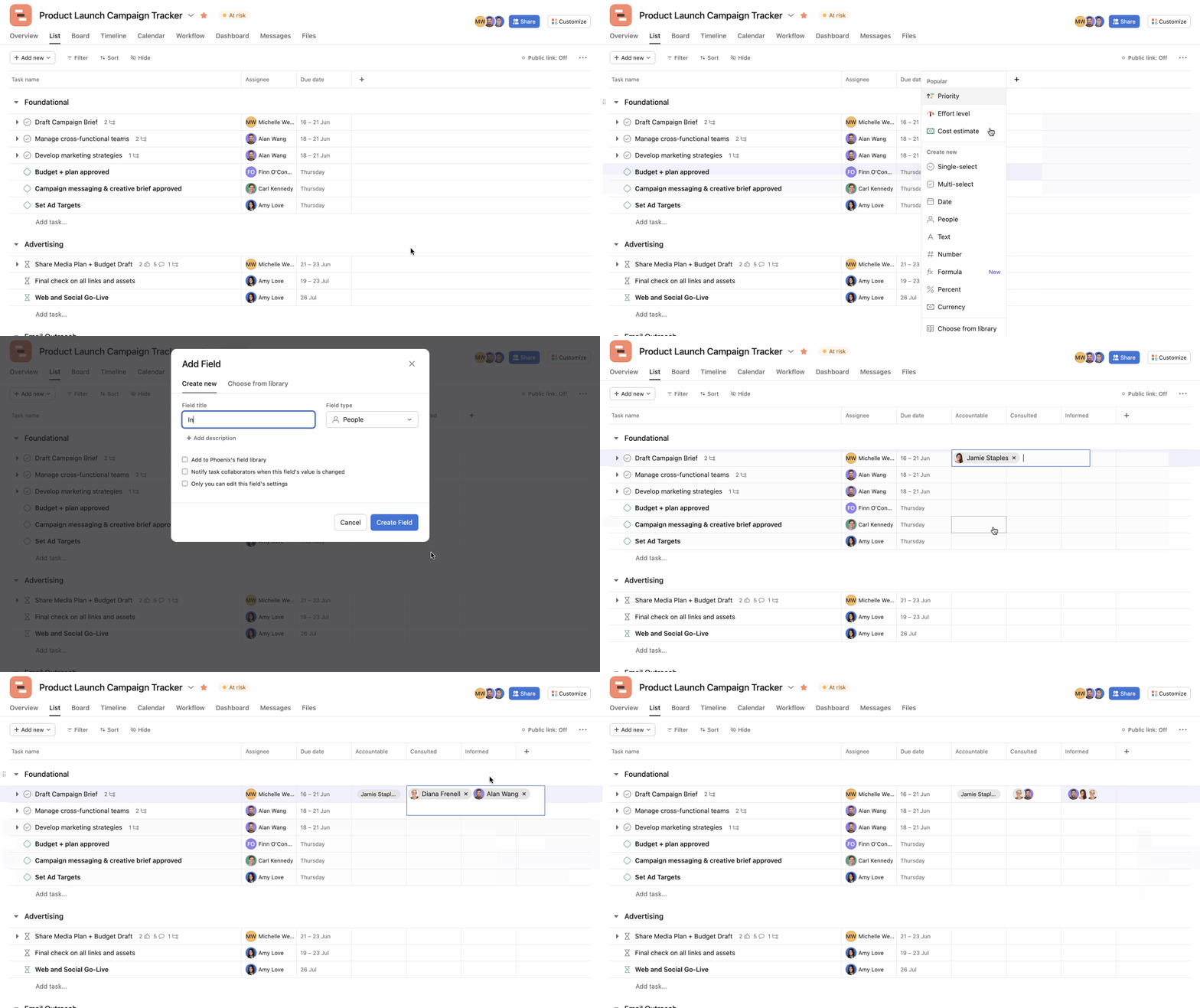
To create a new people custom field, click the + icon and select People, or create a new custom field from the Customize button.
Reviewing and updating the RACI matrix is essential to ensure its effectiveness throughout the project lifecycle.
To manage the RACI matrix effectively:
Implementing a RACI matrix in Asana clarifies roles and responsibilities, enhances communication, and improves accountability within your projects. By following the steps in this article, you’ll be able to effectively manage and track who is responsible, accountable, consulted, and informed for each task, ensuring a smoother and more efficient workflow.
Note
Learn more about the RACI matrix templates.

